
7 Natural Ways to Improve Sleep Quality Tonight
1/10/20263 min read



7 Natural Ways to Improve Sleep Quality Tonight
Unlock deeper, more restorative rest with simple, science-backed strategies
Getting a good night’s sleep isn’t just about feeling rested — it’s essential for mental wellness, physical health, and emotional resilience. Yet many of us struggle to fall asleep, stay asleep, or reach the stages of deep sleep that our bodies crave. The good news? You can start improving your sleep quality tonight using natural remedies and lifestyle habits rooted in research and sleep science.
In this post, we’ll explore 7 natural ways to improve sleep quality that you can start implementing tonight — no medications required.
🧠 Why Sleep Quality Matters
Before we dive in, let’s briefly talk about why sleep quality — not just sleep duration — matters. Deep sleep and uninterrupted rest support:
Memory consolidation and learning
Immune function
Hormone balance
Emotional regulation and mental wellness
Interruptions to sleep, light exposure at night, or poor sleep hygiene can reduce the amount of deep, restorative sleep your brain and body get each night.
🌿 1. Build Better Sleep Hygiene
Sleep hygiene refers to the habits and environment that promote consistent, high-quality sleep. Small changes here can have a big impact.
Key tips:
Go to bed and wake up at the same time every day — even on weekends.
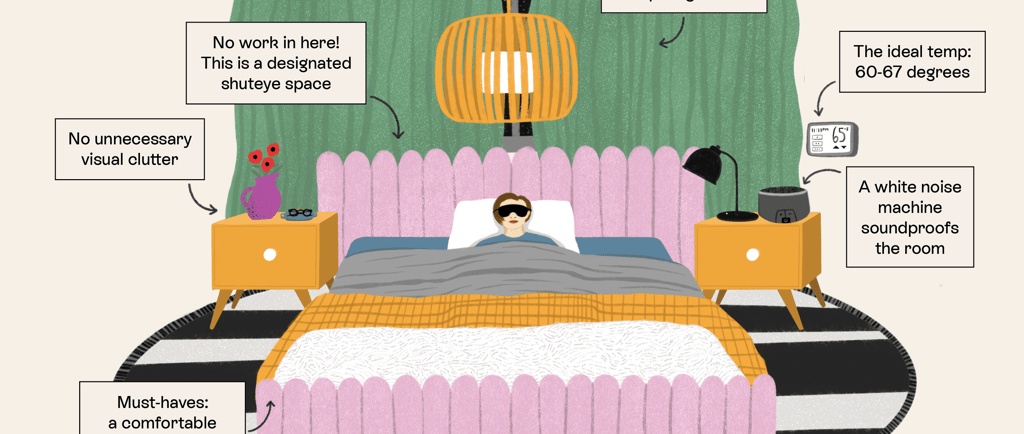
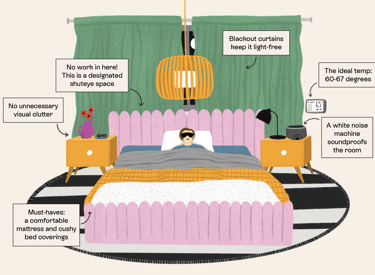
Use your bedroom only for sleep (and intimacy) to strengthen the mental association between the space and restful rest.
Keep your room cool, dark, and quiet — consider blackout curtains and earplugs.
Avoid bright lights and electronic screens at least 60 minutes before bed, as blue light can suppress your natural melatonin production.
These changes help your internal clock stay aligned and support deep sleep cycles.
🍵 2. Harness the Power of Natural Remedies
Some natural remedies can help calm your nervous system and prepare your body for sleep. These include:
Chamomile tea — contains antioxidants that may promote relaxation.
Valerian root — a traditional herbal sleep aid.
Lavender (tea or essential oil) — shown to help improve sleep quality.
Passionflower or lemon balm tea — both have calming properties.
Sipping a warm cup of herbal tea about 30–60 minutes before bed can become a soothing evening ritual that signals your brain it’s time to wind down.
🧘 3. Practice Mindful Relaxation
Relaxation techniques help reduce stress and promote calmness — perfect for easing into sleep.
Try this tonight:
Meditation or deep breathing for 10–15 minutes.
Progressive muscle relaxation — tense and relax each muscle group.
Gentle yoga or stretching — calms the nervous system and relaxes tight muscles.
These practices ease anxiety, lower heart rate, and help the body transition into sleep mode.
☀️ 4. Reset Your Circadian Rhythm with Light
Your sleep-wake cycle (circadian rhythm) is strongly influenced by light exposure. Getting natural sunlight early in the day — especially within the first hour of waking — helps regulate your internal clock and improves sleep at night.
If you’ve been indoors all day, try stepping outside for at least 10–30 minutes this evening to help set your body’s sleep cues.
🚶♂️ 5. Move Your Body During the Day
Regular physical activity not only supports overall health, it also improves sleep quality and increases the time spent in restorative sleep stages like slow-wave sleep.
Tips:
Aim for at least 30 minutes of moderate exercise most days.
Finish vigorous workouts at least a few hours before bedtime to avoid overstimulation.
🥛 6. Eat Smart and Choose Sleep-Supporting Foods
What and when you eat can affect your sleep tonight:
Foods that may help:
Tryptophan-rich foods like turkey, nuts, and seeds (boosts melatonin).
Magnesium-rich foods such as almonds, bananas, and leafy greens.
Calcium-rich options like dairy and leafy veggies.
Avoid heavy meals, caffeine, and alcohol several hours before bed, as they can interfere with your ability to fall and stay asleep.
🎧 7. Calm Your Senses Before Bed
A calm mind and relaxed senses create the ideal backdrop for sleep. Consider:
Soothing soundscapes or calming music — slow-tempo music has been linked to improved sleep quality and increased slow-wave (deep) sleep.
Warm bath or shower — raising your body temperature and then allowing it to cool helps trigger sleepiness.
Aromatherapy with calming scents like lavender or cedarwood.
These sensory cues help your body shift from wakefulness into rest mode.
🧘♀️ Bonus: Create a Personalized Bedtime Routine
Consistency is key. A predictable winding-down ritual signals to your body that sleep is coming. Your routine could include:
Herbal tea and calming music
Light stretching or meditation
Aromatherapy or dim lighting
Journaling or deep breathing
Over time, your body learns to associate these cues with sleep.
🧠 Conclusion: Sleep Better — Naturally
Improving your sleep quality doesn’t require medication or drastic lifestyle changes. By focusing on sleep hygiene, embracing natural remedies, and nurturing your body and mind, you can create the ideal conditions for deep sleep and better overall health starting tonight.
Consistent sleep supports mental wellness, boosts immunity, enhances mood, and improves cognitive function. So tonight, take one step — whether it’s herbal tea before bed, a relaxing stretch, or dimming the lights early — toward a more restful, restorative night. Sweet dreams