
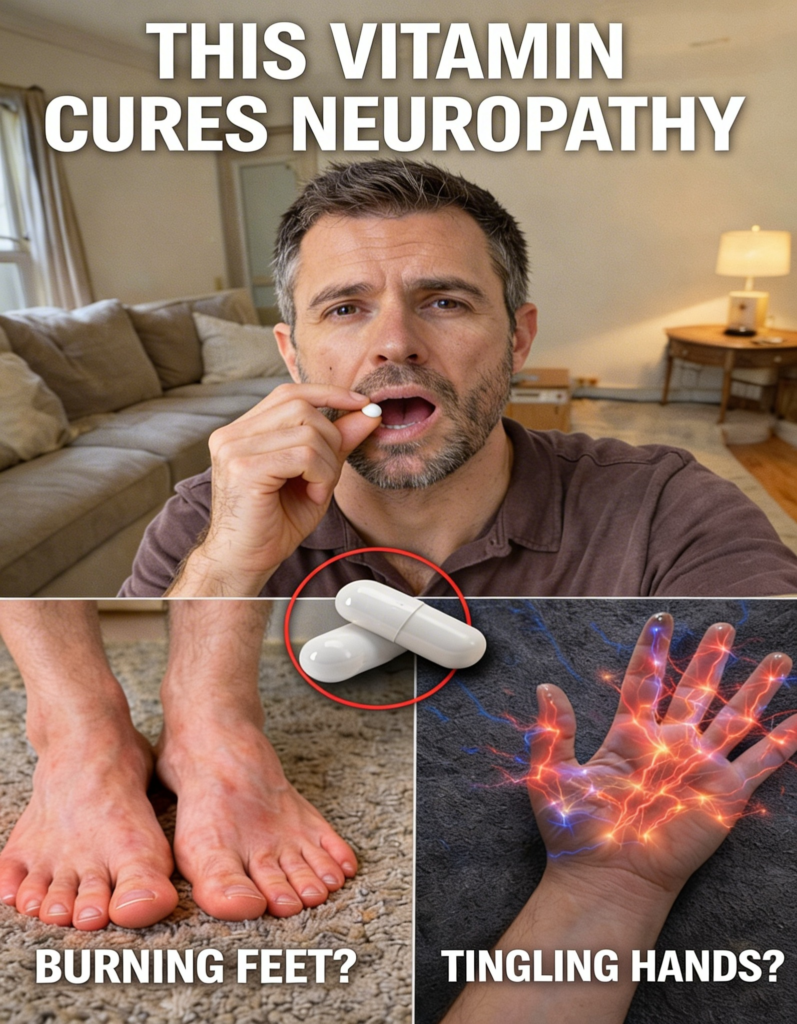
Your feet feel like they’re wrapped in invisible cotton, making every step uncertain and frustrating. That persistent tingling or burning sensation disrupts your sleep and steals your focus during the day, leaving you wondering if simple activities will always feel this challenging. These nerve-related discomforts can make you feel isolated and anxious about what’s next. But understanding vitamins for neuropathy support might offer insights into managing these issues more effectively. Stick around to discover a surprising step that could change how you approach this.
## Why Neuropathy Symptoms Feel So Overwhelming and Often Go Unnoticed
Neuropathy symptoms like numbness or sharp pains can creep up slowly, making it hard to pinpoint when they started affecting your balance and daily routines. You might dismiss that odd “asleep” feeling in your toes as just fatigue, but it often escalates to interfere with walking or even relaxing at night. Vitamins for neuropathy support come into play here, as research shows certain nutrient gaps can contribute to these confusing sensations. The truth is, ignoring these signs might lead to more persistent discomfort. Studies from sources like the National Institutes of Health indicate that addressing potential deficiencies early can be key.
## The Crucial First Step: Why Testing Beats Guessing for Vitamins for Neuropathy Support
Jumping straight into supplements without knowing your levels can leave you frustrated when that burning in your feet doesn’t ease up. Imagine spending months on random vitamins for neuropathy support only to realize a simple test could have guided you better. This approach helps identify if deficiencies are amplifying your tingling or weakness. Here’s the interesting part: lab work, as recommended by health experts, reveals absorption issues common with age. Don’t let uncertainty add to your stress—start with facts.
## 1. Vitamin B12: Key Player in Nerve Protection Often Overlooked After 50
That nagging numbness in your hands or feet might stem from inadequate myelin support, making everyday tasks feel exhausting. Vitamin B12, one of the top vitamins for neuropathy support, helps maintain this protective layer around nerves. Older adults frequently face absorption challenges, heightening risks if diet lacks animal products. Research suggests forms like methylcobalamin are discussed for their bioavailability. But remember, correcting low levels under guidance can make a difference in reducing those balance worries.
## 2. Vitamin B1 (Thiamine) and Benfotiamine: Supporting Nerve Signals Effectively
When burning sensations flare up at night, disrupting your rest, it can leave you drained and irritable the next day. Vitamin B1 stands out among vitamins for neuropathy support for aiding nerve conduction and neurotransmitter production. Benfotiamine, a more absorbable form, is often explored in contexts like diabetic-related discomfort. Food sources such as whole grains and legumes provide a base, but deficiencies might need targeted attention. Studies highlight its role in metabolic health, offering hope for fewer painful interruptions.
## 3. Vitamin B6: Balance Is Essential to Avoid Worsening Symptoms
Excess or deficiency of this nutrient can both contribute to that prickly feeling in your extremities, adding to your daily frustration. As one of the vitamins for neuropathy support, B6 assists in neurotransmitter synthesis, but too much over time might intensify issues. Staying within recommended ranges is crucial, especially if blood sugar fluctuations are involved. Poultry and nuts are good sources, per nutritional guidelines. Precision here prevents avoidable setbacks in your comfort.
## 4. Alpha Lipoic Acid: Antioxidant Aid in Managing Oxidative Stress
The constant discomfort from oxidative stress can make metabolic conditions feel even more burdensome on your nerves. Alpha lipoic acid, discussed alongside vitamins for neuropathy support, helps recycle antioxidants in the body. It’s studied for potential in reducing burning or numbness in certain scenarios. Vegetables like spinach offer small amounts naturally. Caution with interactions, particularly blood sugar meds, ensures safer exploration.
## 5. Vitamin D: Overlooked Link to Immune and Nerve Function
Low levels might quietly amplify inflammation-related tingling, affecting your mobility and mood over time. Vitamin D, an important part of vitamins for neuropathy support, influences immune regulation. Sun exposure and fatty fish are primary sources, with research linking status to overall nerve health. Optimizing thoughtfully, via testing, could support better daily experiences. Fat-soluble nature calls for monitored dosing.
## Potential Benefits: Realistic Expectations from Vitamins for Neuropathy Support
Hoping for clearer insights into your symptoms? Testing with vitamins for neuropathy support can reduce anxiety by pinpointing causes, easing that constant worry. Better nutrient supply might subtly improve signaling, lessening those electric zaps that disrupt sleep. In metabolic situations, antioxidants could lighten the load, but lifestyle matters too. Steadier energy helps combat fatigue overlapping with weakness. Consistent routines become easier, avoiding extreme plans that backfire. Protecting against mistakes like overdosing preserves progress. Early correction offers chances for sustained comfort.
But that’s not all—let’s see how this plays out in real scenarios.
## Real-Life Insights: How Targeted Approaches Made a Difference
For someone like Elaine, 64, nightly buzzing in feet led to unsteadiness, heightening fall fears. Focusing on vitamins for neuropathy support after tests brought fewer interruptions and more confidence. Marcus, 57, dealt with diabetes-related tingling that seemed inevitable, causing ongoing frustration. A monitored plan with vitamins for neuropathy support shifted control, reducing flares triggered by meals or sleep lapses. These stories show clarity’s power.
Here’s a quick glance:
Nutrient What It Supports Common Food Sources Common Caution
Vitamin B12 Myelin support, nerve signaling Meat, fish, eggs, dairy Low absorption in older adults; test levels
Vitamin B1 (Thiamine/Benfotiamine) Nerve conduction, neurotransmitters Whole grains, legumes, seeds Risk groups vary; consider guidance
Vitamin B6 Neurotransmitter synthesis Poultry, fish, nuts High doses can worsen symptoms
Alpha Lipoic Acid Antioxidant defense Vegetables, yeast Interactions; affects blood sugar
Vitamin D Immune signaling Sunlight, fatty fish Fat-soluble; monitor dosing
## A Practical Plan: Steps to Discuss Vitamins for Neuropathy Support SafelyDescribe symptoms clearly to your provider, noting when that numbness worsens, to guide better discussions on vitamins for neuropathy support. Request targeted labs for deficiencies contributing to your discomfort. Start one change at a time, tracking weekly to avoid confusion amid tingling flares.
Track symptoms for 7 days before changes.
Introduce one supplement gradually.
Reassess in 6-12 weeks with professional input.
Maintain sleep, movement, and meals.
Safety rules:Rule What to Do Why It Matters
Test before dosing Check labs Avoids unnecessary risks
Caution with B6 Stay conservative Prevents worsening
Watch interactions Review with clinician Avoids side effects
Monitor sugar Careful with ALA if diabetic Manages glucose
Allow time Track over weeks Changes are gradual
Stop if worse Seek care immediately Prioritizes safety
Beyond vitamins for neuropathy support, steady blood sugar, deep sleep, and gentle movement enhance outcomes. Short walks can aid circulation without strain.That initial number on symptom impact? Revisit it after action—small steps count.
Conclusion and FAQ
Pairing vitamins for neuropathy support with fundamentals often yields the best insights. Test, target, and track for informed choices. Choose one step today, like noting symptoms.FAQ:
What are common signs that vitamins for neuropathy support might be relevant? Tingling, numbness, or burning that affects daily life, especially if linked to diet or age.
How do I know if I need testing for these vitamins? If symptoms persist, discuss with your provider; research shows deficiencies can play a role.
Can food sources alone provide enough of these nutrients? For some, yes, but absorption varies; supplements might help under guidance.
This article is for informational purposes only and is not a substitute for professional medical advice. Consult your healthcare provider before making changes, especially with existing conditions or medications.
What You Should Know About 5 Vitamins for Neuropathy Support Before Starting Supplements
Related Posts

5 Simple, Science-Backed Habits to Reduce Stress and Improve Sleep Quality
Introduction: In our modern, constantly connected world, chronic stress and...

The Science of Deep Sleep: 5 Proven Strategies to Wake Up Energized
In our fast-paced 2026 lifestyle, sleep is often seen as...

The Ultimate Guide to Glowing Skin: It Starts with Your Gut
In the multi-billion dollar beauty industry, we are constantly told...
